What Can (and Can’t) Go in Your Dumpster: A Complete List
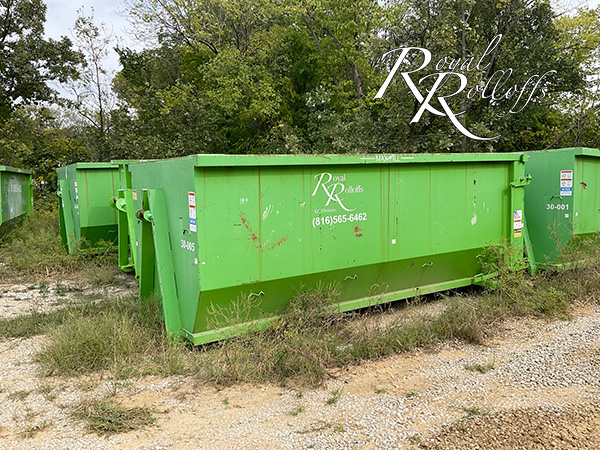
When planning a cleanup or renovation project in the Independence, MO community, knowing which materials can safely be placed in a dumpster is essential. Many customers are surprised to learn that some debris is not permitted. Knowing the rules helps avoid delays, additional fees, and dangerous situations throughout the job. At Royal Rolloffs, we aim to make the process simple by explaining approved and restricted materials. This information allows you to maximize your rental and avoid problems.
Responsible disposal goes beyond simply getting rid of junk. It makes sure you follow disposal guidelines, protects everyone on the jobsite, and supports environmental responsibility. Understanding proper disposal categories, you can stay on schedule without complications. This breakdown highlights accepted and restricted materials, points out prohibited items, and provides helpful tips for sorting debris before loading your container.
General Household Items and Clutter
The majority of residential waste can go in your dumpster. These include things like broken chairs, unwanted clothing, old toys, cardboard boxes, and everyday trash. These common materials are easy to dispose of and make up the bulk of waste generated during cleanouts and move-outs. If you are cleaning out storage areas such as garages or attics, you will likely load these items first. Organizing waste allows you to fit more and load safely.
You can also dispose of materials from home renovation such as drywall and flooring. These are typical results of repairs and remodels. Load heavy items first and break apart large debris for better space use. It helps balance the weight and leaves room for trash bags and soft goods. By sorting as you go, you avoid overfilling the dumpster and reduce the need for multiple hauls.
Landscaping Debris and Outdoor Waste
Leaves, branches, and other garden waste are allowed. Homeowners use dumpsters for landscaping projects, seasonal cleanups, and storm debris removal. Sorting outdoor debris apart from trash ensures proper processing. Consider trimming or removing tree stumps in advance, as they may be subject to special processing.
Outdoor materials such as fencing, decks, and patio furniture are also acceptable as long as they are free from hazardous coatings. Wood should be free of lead-based paint or creosote, since they may be regulated. Concrete, stone, or brick from patio work can be included but must be balanced. Even loading protects the container and ensures safe hauling.
What You Must Keep Out of the Dumpster
Not everything belongs in a dumpster, and certain materials are restricted for safety and environmental reasons. Paint, solvents, and toxic materials must be kept out. They may react and create unsafe situations. Always check with local waste authorities for safe disposal options.
Units with refrigerants require special preparation before being loaded. Electronics, batteries, and fluorescent bulbs often require special handling due to the presence of heavy metals or chemicals. Any biohazard or contaminated earth is disallowed. Knowing the rules beforehand keeps your rental compliant.
Building and Renovation Waste
Jobsite containers are ideal for debris created during building and demolition work. Wood, roofing materials, metal, and concrete are typically allowed and may be placed in the same container. Grouping debris by category helps reduce landfill waste and supports sustainable disposal. Royal Rolloffs provides guidance to keep construction site disposal safe and lawful.
Demolition projects can create piles of plaster, broken tile, and window frames. These items are safe to place in the dumpster as long as they do not contain asbestos or other hazardous materials. Any asbestos must be identified and handled by qualified personnel. Planning ahead prevents stoppages and protects workers.
Special Handling for Heavy Materials
Dense materials like dirt and asphalt are accepted with weight precautions. These materials quickly add weight, and overloading can make the container unsafe for transport. Pay attention to load capacity when adding these materials. You may need to split loads to keep weights manageable.
When disposing of soil and stone, load gradually for balance. Balancing weight helps protect the container and truck. Telling us ahead of time about heavy waste ensures we send the right equipment. Advance planning keeps the process efficient and avoids weight website violations.
Eco-Friendly Disposal and Recycling
Responsible disposal helps maintain a healthy community and ecosystem. By keeping hazardous items out of the dumpster and recycling where possible, you reduce the amount of waste going to the landfill. Our team coordinates with local programs for green disposal solutions. This commitment helps keep Independence, MO, clean and safe for future generations.
When customers take time to separate recyclables like metal, cardboard, and certain plastics, it makes the disposal process more sustainable. Doing this helps ensure smoother collection and transport. Royal Rolloffs provides guidance on best practices for waste sorting to make the process straightforward. Compliance and responsibility go hand-in-hand when these steps are followed.
Making Dumpster Rentals Work for Every Project
Learning the rules helps avoid issues during the rental period. Residents and contractors in Independence, MO, choose Royal Rolloffs for reliable waste handling. Careful sorting, following restrictions, and preparing for weight limits prevent costly delays. Royal Rolloffs is dedicated to smooth, efficient disposal service. Whatever the job, we provide the right dumpster solution for your project.